

Iron Overload vs Iron Deficiency
Introduction
Iron is one of the most important minerals in the human body. It supports many vital functions that keep people healthy every day. This essential nutrient helps produce hemoglobin which carries oxygen through the blood. It also supports energy production brain function muscle performance and immune strength. When iron levels remain balanced the body works efficiently and maintains good health. Many people believe that low iron is the only concern. However too much iron can also create serious health problems. Both iron overload and iron deficiency may cause fatigue weakness poor concentration and many other symptoms. Since these conditions often share similar signs many individuals remain unaware of the real cause of their health issues.
Hair Mineral Analysis offers another way to examine mineral patterns within the body. While blood testing measures current iron status Hair Mineral Analysis may reveal long term mineral relationships that influence overall nutritional balance. Understanding both iron overload and iron deficiency can help people make informed decisions about their health and seek proper professional guidance. This guide explains the differences between iron overload and iron deficiency. It also explores symptoms causes diagnosis treatment and the possible role of Hair Mineral Analysis in supporting nutritional balancing.
What Is Iron Deficiency
Iron deficiency occurs when the body does not have enough iron to produce healthy red blood cells. As iron levels decline oxygen transport becomes less effective. This reduction often leads to tiredness poor endurance and reduced physical performance. Several factors may contribute to iron deficiency. Poor dietary intake is one common reason. Blood loss through menstruation digestive disorders or surgery may also reduce iron stores. Pregnancy increases iron requirements because both the mother and growing baby need sufficient iron.
Certain digestive conditions may also reduce iron absorption. People with iron deficiency often experience gradual changes. These symptoms may develop slowly which makes them easy to overlook during the early stages. Early recognition allows treatment before more severe complications appear.
What Is Iron Overload
Iron overload develops when the body stores excessive amounts of iron. Unlike many other minerals the body has very limited ability to remove extra iron naturally. As a result excess iron may accumulate within important organs over many years. The most common inherited cause is hereditary hemochromatosis. Some people also develop iron overload after repeated blood transfusions or long term use of unnecessary iron supplements.
Excessive iron storage may damage the liver heart pancreas joints and other tissues. Iron overload often remains silent during the early stages. Many people do not notice symptoms until significant organ damage has already occurred. Regular medical evaluation becomes important for individuals with family history or known risk factors.
Symptoms of Iron Overload and Iron Deficiency
Both conditions may produce similar symptoms which sometimes creates confusion. Fatigue weakness and poor concentration are common in both cases. This similarity highlights the importance of accurate laboratory testing before beginning treatment. Iron deficiency frequently causes pale skin shortness of breath dizziness cold hands brittle nails headaches and reduced physical stamina. Some individuals also develop unusual cravings for nonfood items such as ice or clay.
Iron overload may produce joint discomfort abdominal pain skin darkening reduced sexual function irregular heartbeat and persistent fatigue. Advanced cases may contribute to liver disease diabetes heart problems and hormonal imbalance. Because symptoms often overlap self diagnosis should never replace professional medical evaluation. Correct diagnosis helps prevent inappropriate treatment that may worsen the underlying condition.
Main Causes and Risk Factors
Many lifestyle and medical factors influence iron balance. Poor nutrition remains one of the leading causes of iron deficiency worldwide. Vegetarian diets without careful planning may also increase the risk when iron rich foods are limited. Women of reproductive age face higher risk because monthly blood loss reduces iron stores. Pregnancy breastfeeding digestive diseases and frequent blood donation also increase the possibility of deficiency. Iron overload is more common among individuals with inherited genetic disorders.
Main Causes and Risk Factors
Poor nutrition may lead to iron deficiency.
Pregnancy and blood loss can reduce iron stores.
Genetic disorders increase the risk of iron overload.
Unnecessary iron supplements may cause excess iron.
Family history supports early screening and monitoring.

How Hair Mineral Analysis Supports Mineral Balance
Hair Mineral Analysis measures mineral levels within a small hair sample. Unlike blood tests that reflect current circulation Hair Mineral Analysis may provide information about longer term mineral patterns. This assessment does not diagnose iron deficiency or iron overload directly. Instead it may reveal mineral relationships that influence nutritional balance. Minerals such as copper zinc calcium magnesium and potassium interact with iron metabolism in complex ways.
Many nutritional practitioners use Hair Mineral Analysis as part of a broader wellness evaluation. The results may help identify mineral imbalances that deserve further investigation through appropriate medical testing. For people interested in Nutritional Balancing Hair Mineral Analysis may provide valuable insight into overall mineral status while supporting personalized nutrition strategies under professional guidance.
How Doctors Diagnose Iron Problems
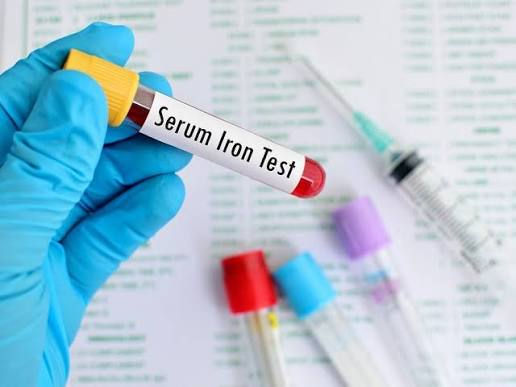
Medical diagnosis begins with a detailed health history and physical examination. Healthcare providers usually order blood tests to evaluate iron status accurately. Common laboratory tests include serum ferritin serum iron transferrin saturation total iron binding capacity and complete blood count. These tests help determine whether iron stores are too low or excessively high.
When iron overload is suspected genetic testing may identify hereditary hemochromatosis. Imaging studies or liver evaluation may also be necessary in advanced cases. Hair Mineral Analysis may complement overall nutritional assessment but it should not replace established medical testing for diagnosing iron disorders. Professional interpretation ensures accurate clinical decisions.
Treatment Options for Iron Deficiency and Iron Overload
Treatment depends entirely on the underlying condition. Iron deficiency usually improves through dietary changes iron supplements and treatment of the original cause of blood loss or poor absorption. Foods rich in iron include lean meat seafood beans spinach lentils pumpkin seeds and fortified cereals. Vitamin C rich foods may improve iron absorption during meals. Iron overload requires a different approach. Therapeutic blood removal known as phlebotomy remains the standard treatment for hereditary hemochromatosis.
Some patients may require medicines that remove excess iron when phlebotomy is unsuitable. People should never begin iron supplementation without laboratory confirmation because unnecessary iron intake may create harmful consequences for those with normal or elevated iron levels.
Tips for Maintaining Healthy Iron Levels
Balanced nutrition supports healthy iron regulation throughout life. Eating a varied diet with adequate protein vegetables fruits whole grains and mineral rich foods helps maintain overall nutritional health. Regular medical checkups allow early detection of iron imbalance especially for people with family history pregnancy digestive disorders or chronic illness. Routine testing becomes particularly valuable when symptoms continue without a clear explanation.
Avoid taking iron supplements unless recommended by a qualified healthcare professional. Excess supplementation may increase health risks for individuals who do not need additional iron. Hair Mineral Analysis together with professional nutritional guidance may help identify broader mineral patterns that support long term wellness and Nutritional Balancing. Combining healthy lifestyle habits with appropriate medical care offers the best approach for maintaining optimal mineral balance.

FAQs
1. What is the difference between iron overload and iron deficiency?
Iron deficiency happens when the body lacks enough iron to produce healthy red blood cells. Iron overload occurs when excess iron builds up in the body and may damage important organs over time.
2. What are the common symptoms of iron deficiency?
Common symptoms include tiredness weakness pale skin dizziness headaches shortness of breath brittle nails and poor concentration.
3. What causes iron overload?
Iron overload is often caused by hereditary hemochromatosis repeated blood transfusions or taking iron supplements without medical advice.
4. Can Hair Mineral Analysis diagnose iron overload or iron deficiency?
Hair Mineral Analysis cannot diagnose iron disorders. It may provide useful information about long term mineral patterns and should be used alongside medical testing.
5. How can I maintain healthy iron levels?
Eat a balanced diet avoid unnecessary iron supplements and have regular medical checkups if you have symptoms or risk factors for iron imbalance.
Conclusion
Iron overload and iron deficiency are two different conditions that require accurate diagnosis and proper management. Although both may cause fatigue weakness and reduced quality of life their causes treatments and long term effects differ greatly. Understanding these differences helps prevent incorrect self treatment and supports better health decisions.
Medical blood testing remains the primary method for diagnosing iron disorders. Hair Mineral Analysis may provide additional insight into long term mineral relationships and overall Nutritional Balancing when used alongside professional healthcare advice.
Maintaining balanced iron levels through healthy nutrition appropriate testing and qualified medical guidance protects many important body functions. Early recognition and timely care can improve energy support organ health and promote lasting wellbeing.


Comments