

How to Collect a Hair Sample Correctly
Introduction
A hair mineral analysis can provide valuable information about your mineral levels and possible heavy metal exposure. The accuracy of the final report depends on the quality of the hair sample that reaches the laboratory. Even the most advanced laboratory cannot produce reliable results if the sample is collected incorrectly. This is why every step of the collection process deserves careful attention.
Many people believe that collecting a hair sample is difficult. The reality is very different. The process is simple when you understand the correct method. A few careful steps can help you avoid contamination and ensure that your laboratory receives a suitable sample for testing.
This guide explains how to collect a hair sample correctly for a hair mineral analysis. You will learn why proper collection matters and which mistakes you should avoid. By following these recommendations you can improve the quality of your sample and receive more dependable results.
Why Proper Hair Sample Collection Matters
Hair mineral analysis measures the minerals and trace elements stored inside the hair shaft over time. The laboratory depends on a clean and representative sample to complete an accurate assessment. A poorly collected sample may contain dirt oils or cosmetic products that influence the testing process. An incorrect sample may also contain hair that is too long too short or taken from the wrong area of the scalp.
Proper collection helps laboratory specialists perform a detailed evaluation of your mineral status. It also reduces the possibility of delays or the need to submit another sample. Following the recommended procedure protects the quality of your results and helps healthcare professionals make better nutritional recommendations.
Prepare Before You Collect Your Hair Sample
Preparation is an important part of the process. Wash your hair with a gentle shampoo before collecting the sample. Avoid conditioners hair oils styling gels sprays or other cosmetic products after washing. Allow your hair to dry naturally before taking the sample. Wet hair should never be used because moisture may affect the sample quality.
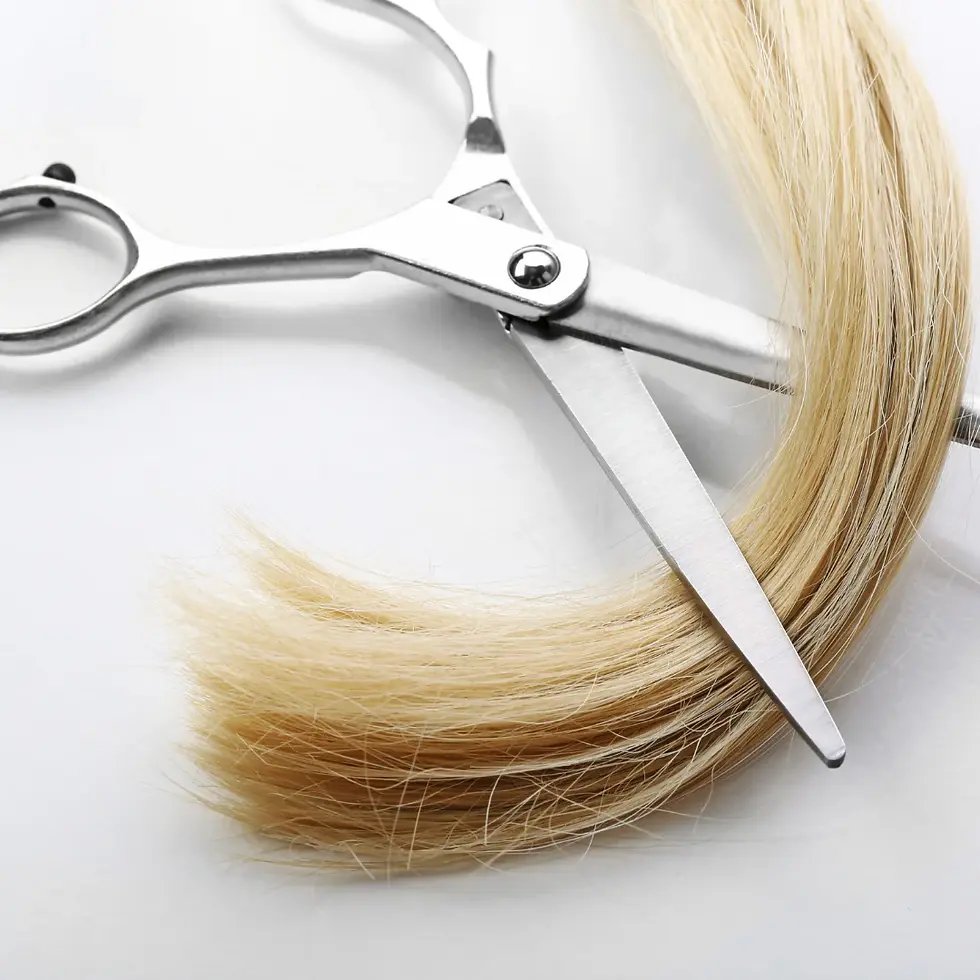
Use clean stainless steel scissors for cutting the hair. Keep a clean paper envelope ready for storing the sample. Paper is recommended because it allows the hair to remain dry during transport. Read all instructions provided by your testing laboratory before beginning the collection process.
Choose the Correct Area of the Scalp
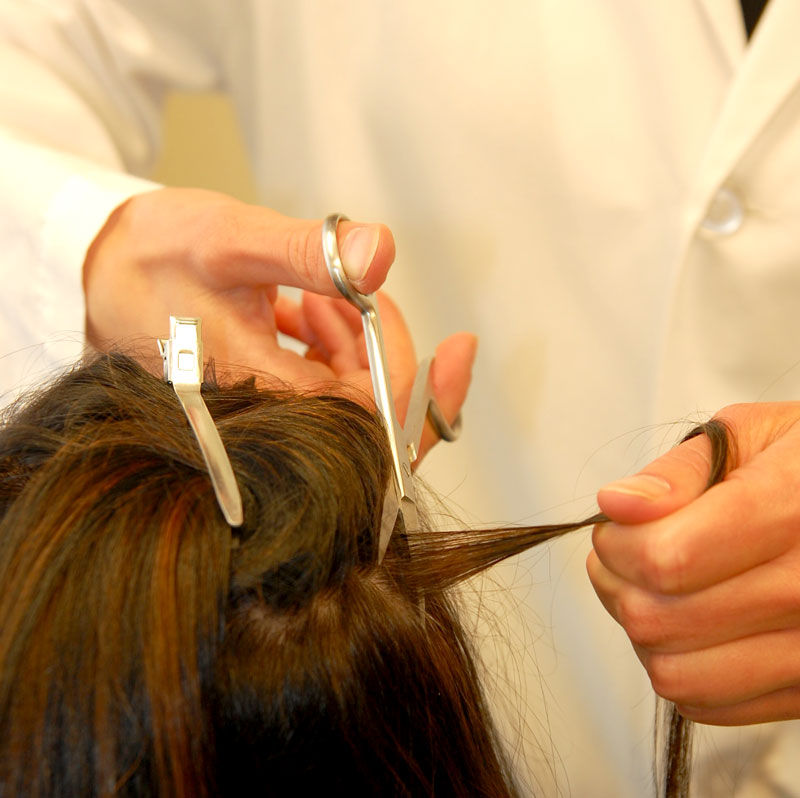
The best location for collecting a sample is the back of the head near the base of the skull. This region usually provides the most consistent hair growth for laboratory testing. Collect small portions from several nearby locations instead of removing a large section from one place. This approach helps preserve your appearance while creating a representative sample.
Cut the hair as close to the scalp as possible. The section nearest the scalp contains the newest growth and provides the most useful information for analysis. If your hair is very long only the first portion closest to the scalp is normally required.
How Much Hair Should You Collect
Many people worry that they need a large amount of hair. Fortunately the required quantity is usually quite small. Most laboratories request about one tablespoon of hair or approximately one hundred milligrams. This amount is easy to collect without creating any visible change in your hairstyle.
Collect about one tablespoon of hair.
Aim for approximately one hundred milligrams.
Cut small sections from different scalp areas.
Store the sample in a paper envelope.
Do not send extra hair unless requested.
Cut several small sections until you reach the required amount. Keep all pieces together inside the paper envelope. Avoid sending extra hair unless the laboratory specifically requests it.
Mistakes That Can Affect Test Results
Several common mistakes can reduce the reliability of a hair mineral analysis. Do not collect hair that has recently been treated with permanent dye bleach or chemical straightening unless the laboratory advises that it is acceptable. Chemical treatments may influence mineral measurements. Avoid touching the cut ends with dirty hands.
Do not place the sample inside plastic bags because trapped moisture may affect the sample condition. Never collect hair from brushes combs clothing or the floor. Only freshly cut hair should be submitted for laboratory analysis. Always confirm that the scalp end of the hair remains together whenever possible.
Storing and Sending Your Hair Sample
Proper storage helps protect your sample during transportation. Place the collected hair inside a clean paper envelope. Seal the envelope carefully after collection. Write your name and any required identification details according to the laboratory instructions. Complete all forms provided with your testing kit. Incorrect or incomplete paperwork may delay processing.
Send your sample as soon as possible after collection. Prompt delivery helps the laboratory begin testing without unnecessary delays. Always use the shipping method recommended by your testing provider.
What Happens After the Laboratory Receives Your Sample
After your sample reaches the laboratory trained specialists begin the preparation process. The sample is carefully cleaned using scientific procedures that remove external contaminants while preserving the minerals inside the hair. Modern laboratory equipment measures essential minerals and possible heavy metals. The results are compared with established reference values to create a detailed report.
The report may include information about important minerals such as calcium magnesium sodium potassium zinc copper iron and other trace elements depending on the testing method. Many reports also provide nutritional guidance that can support long term health improvement.
Tips for Receiving the Most Accurate Results
Several practical habits can improve the quality of your hair mineral analysis. Follow every instruction exactly as provided by your testing laboratory. Collect the sample only after your hair is clean and completely dry. Use only clean scissors and avoid unnecessary contact with the sample. Collect hair from the correct location and submit the recommended amount.
Inform your healthcare provider if you recently received chemical hair treatments or if you have very little hair available for testing. Store the sample carefully and send it without unnecessary delay. Careful preparation increases the likelihood of receiving meaningful laboratory results that can support informed health decisions.

FAQs
1. How do I collect a hair sample for a hair mineral analysis?
Collect clean and dry hair from the back of your head. Cut the hair as close to the scalp as possible using clean scissors and place it in a paper envelope.
2. Can I use dyed or chemically treated hair?
Many laboratories accept treated hair but recent bleaching or chemical treatments may affect results. Always follow your testing provider's instructions.
3. How much hair is needed for a hair mineral test?
Most laboratories require about one tablespoon of hair collected from several small areas on the back of the scalp.
4. Should I wash my hair before collecting the sample?
Yes. Wash your hair with a mild shampoo and allow it to dry completely before collecting the sample. Avoid conditioners and styling products after washing.
5. Why is proper hair sample collection important?
Correct collection helps prevent contamination and ensures the laboratory receives a high quality sample for accurate mineral and heavy metal analysis.
Conclusion
Learning how to collect a hair sample correctly is an essential step for obtaining reliable hair mineral analysis results. Although the procedure is simple each stage requires careful attention. Clean hair, proper collection techniques and correct storage all contribute to a high quality sample.
A properly collected sample allows the laboratory to perform a thorough evaluation of mineral balance and possible heavy metal exposure. The resulting report can provide valuable insights that support nutritional balancing and overall wellness.
Whether you are completing a Hair Mineral Analysis in the UK or the USA following the correct collection method helps ensure dependable findings. Taking a few extra minutes during the collection process can make a significant difference in the quality of your results and help you gain the greatest benefit from your hair mineral test.


Comments