

Hair Mineral Analysis for Immune Support
Introduction
A strong immune system helps the body fight harmful bacteria viruses and other health threats. Many people focus on healthy food exercise and good sleep to protect their health. These habits are very important. Yet many people do not know that mineral balance also plays a major role in immune health. Hair Mineral Analysis is a simple laboratory test that measures mineral levels stored in the hair. It can also show patterns that may suggest exposure to certain heavy metals. This information gives valuable insight into the body's nutritional condition over time. Many health professionals use Hair Mineral Analysis as part of a wider wellness plan to understand mineral balance and support long term health.
Minerals such as zinc magnesium selenium and copper help many immune processes work properly. When these minerals become too low or too high the immune system may not perform at its best. Hair Mineral Analysis helps identify these imbalances so that a personalized nutrition and supplement plan can be developed.

What Is Hair Mineral Analysis
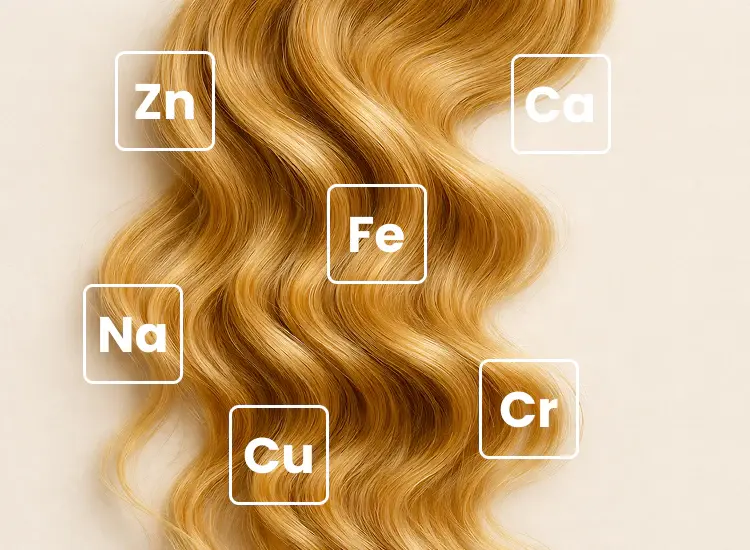
Hair Mineral Analysis also known as HTMA is a laboratory test that measures essential minerals and certain heavy metals found in a small hair sample. Hair stores minerals over several weeks or months. This makes it useful for observing long term mineral patterns instead of showing only the current condition. The test usually measures important minerals such as calcium magnesium zinc sodium potassium copper iron and selenium. It may also identify heavy metals such as mercury lead arsenic and aluminum.
The laboratory creates a detailed report that helps trained practitioners understand mineral relationships and possible nutritional concerns. Unlike many routine tests Hair Mineral Analysis focuses on long term mineral trends. It does not diagnose disease. Instead it provides information that may help guide nutritional support lifestyle improvements and wellness planning.
Why Minerals Are Important for Immune Support
The immune system depends on many nutrients to protect the body every day. Among these nutrients minerals have a very important role. Every mineral performs different functions that help immune cells grow communicate and respond to harmful organisms. Zinc supports the production of immune cells and helps wounds heal properly. Magnesium assists hundreds of natural body reactions including those involved in immune function. Selenium protects body cells from oxidative stress and supports healthy immune responses. Iron helps transport oxygen which allows immune cells to work effectively.
When mineral levels become unbalanced the body may struggle to maintain normal immune activity. Some people may feel tired more often or recover slowly from common illnesses. Others may experience ongoing weakness because their bodies lack important nutritional support. Hair Mineral Analysis helps reveal these hidden mineral patterns.
Common Mineral Deficiencies That Affect Immunity
Mineral deficiencies can develop slowly and often remain unnoticed for a long time. Many people follow a healthy lifestyle yet still experience low mineral levels because of poor food quality stress digestive problems or increased nutritional needs. These hidden deficiencies may reduce the ability of the immune system to respond effectively. Zinc is one of the most important minerals for immune health. It supports the growth of white blood cells and helps the body respond to infections. Low zinc levels may increase the risk of frequent illness and slow recovery.
Magnesium supports hundreds of natural body functions. It helps regulate inflammation and supports healthy immune communication. A lack of magnesium may contribute to fatigue muscle weakness and reduced resistance to illness. Selenium protects body cells from oxidative damage. It also supports the normal function of immune cells. Low selenium intake may weaken the natural defense system over time.
Heavy Metals and the Immune System
Heavy metals can enter the body through food drinking water air pollution workplace exposure and some household products. Small amounts may leave the body naturally. Long term exposure however may place extra pressure on normal body functions. Mercury lead arsenic and aluminum are among the heavy metals often evaluated through Hair Mineral Analysis. High levels may interfere with mineral balance and increase oxidative stress within the body. This stress may affect the normal performance of immune cells.
Heavy metals may enter the body through food water air and daily exposure.
Long term heavy metal exposure may affect normal immune function.
Mercury lead arsenic and aluminum can disrupt mineral balance.
Heavy metals may reduce the effectiveness of essential minerals.
Hair Mineral Analysis helps identify possible long term heavy metal exposure.
Heavy metals may also compete with essential minerals. For example excessive lead exposure may interfere with calcium while high mercury levels may affect selenium. These disruptions can make it more difficult for the body to maintain healthy immune responses. Hair Mineral Analysis offers valuable information about possible long term exposure to certain heavy metals.

Benefits of Hair Mineral Analysis for Immune Health
Hair Mineral Analysis provides a broader view of mineral balance than many people expect. Instead of focusing only on one nutrient it evaluates several important minerals together. This allows practitioners to understand how different minerals interact with each other. The test supports a personalized approach to nutrition. Every person has different dietary habits lifestyle factors and health goals. Hair Mineral Analysis helps identify individual mineral patterns so recommendations can be based on personal needs rather than general advice.
Another important benefit is early awareness. Mineral imbalances may develop long before noticeable symptoms appear. Identifying these patterns early gives people the opportunity to improve nutrition before larger problems develop. Hair Mineral Analysis also helps monitor progress. After following nutritional guidance for several months many people repeat the test to compare results.
How Nutritional Balancing Supports Immune Function
Nutritional balancing is a wellness approach that focuses on restoring healthy mineral levels through food lifestyle changes and carefully selected supplements. The goal is to provide the body with the nutrients it needs to perform normal functions including immune defense. Hair Mineral Analysis often serves as the foundation of a nutritional balancing program. The laboratory report helps practitioners understand which minerals may require attention. Based on these findings they can recommend foods that naturally supply important nutrients or suggest supplements when appropriate.
A balanced nutritional plan often includes whole foods rich in vitamins minerals and antioxidants. Fresh vegetables fruits quality proteins healthy fats and whole grains all contribute to better health. Drinking enough water and maintaining healthy digestion also support nutrient absorption.
Lifestyle Habits That Improve Immune Health
Hair Mineral Analysis provides valuable information but healthy daily habits remain essential for strong immune function. Good nutrition works best when combined with a healthy lifestyle. Quality sleep allows the body to repair tissues and support normal immune activity. Adults should aim for enough restful sleep each night to help maintain overall health.
Regular physical activity improves circulation and supports healthy immune responses. Moderate exercise performed consistently is often more beneficial than occasional intense workouts. Stress management is equally important. Long periods of stress may affect hormone balance and place extra pressure on the immune system. Relaxation techniques deep breathing gentle exercise and spending time outdoors may help reduce daily stress.
Who Should Consider Hair Mineral Analysis
Hair Mineral Analysis may be useful for people who want to understand their nutritional status in greater detail. Individuals who often feel tired experience ongoing stress or wish to improve their overall wellness may benefit from learning more about their mineral balance. Athletes may use Hair Mineral Analysis to support recovery and maintain nutritional health during demanding training programs. Older adults may also find the test helpful because nutritional needs often change with age.
People who follow restrictive diets or have digestive concerns may wish to evaluate whether they are receiving enough essential minerals. Hair Mineral Analysis can provide additional information that supports personalized nutritional planning.
Choosing a Reliable Hair Mineral Analysis Service
The quality of the laboratory plays an important role in obtaining dependable results. A reputable laboratory follows strict testing standards and uses validated analytical methods to ensure accurate reporting. It is also important to work with experienced practitioners who understand how to interpret Hair Mineral Analysis reports. They can explain mineral relationships identify possible nutritional concerns and recommend suitable dietary and lifestyle strategies.
Reliable services usually provide clear instructions for collecting the hair sample. Proper sample collection helps improve the accuracy of the analysis. Following all instructions carefully ensures the laboratory receives a suitable sample for testing. Choosing a trusted provider gives greater confidence in the results and helps individuals make informed decisions about their health and wellness journey.
Frequently Asked Questions (FAQs)
1. What is Hair Mineral Analysis?
Hair Mineral Analysis is a laboratory test that measures essential minerals and certain heavy metals in a hair sample. It helps evaluate long term mineral balance and supports personalized wellness planning.
2. Can Hair Mineral Analysis improve immune health?
Hair Mineral Analysis does not treat disease. It identifies mineral imbalances that may affect immune function. The results can help healthcare professionals recommend nutrition and lifestyle changes.
3. Which minerals are important for immune support?
Zinc magnesium selenium iron copper and calcium are among the essential minerals that help maintain a healthy immune system.
4. Can Hair Mineral Analysis detect heavy metals?
Yes. Many Hair Mineral Analysis tests measure heavy metals such as mercury lead arsenic and aluminum to help assess possible long term exposure.
5. Who should consider a Hair Mineral Analysis test?
People experiencing fatigue poor nutrition ongoing stress or those interested in optimizing their health may benefit from Hair Mineral Analysis under professional guidance.
Conclusion
Hair Mineral Analysis is a valuable tool for understanding long term mineral balance and supporting overall immune health. Essential minerals play a central role in many immune processes and maintaining the right balance helps the body perform at its best. The test may identify nutritional patterns and possible heavy metal exposure that could influence general wellness. Combined with professional guidance balanced nutrition healthy lifestyle habits and appropriate supplementation Hair Mineral Analysis can become an important part of a personalized wellness plan.
Although Hair Mineral Analysis does not diagnose or treat medical conditions it provides meaningful information that supports informed health decisions. People who wish to improve their nutritional status strengthen their natural defenses and achieve better long term wellness may benefit from this comprehensive approach. A healthy immune system depends on consistent daily care. Balanced minerals nutritious food regular exercise quality sleep and expert guidance all work together to help the body remain strong and resilient throughout every stage of life.


Comments